Science-backed well-being
for every desk worker —
hydration, stress & movement as one.
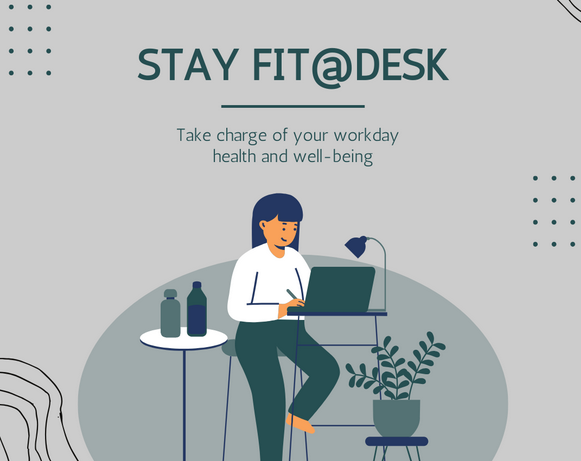
Built on peer-reviewed HCI research from Leibniz University Hannover. Fit@Desk fuses three physiological signals simultaneously — so the AI knows when you are dehydrated, stressed, and have not moved, and delivers the one intervention that matters most, right now.
adherence
engagement
Recognized & Supported By
Built on Research.
Proven in Pilots.
Fit@Desk was not built by guessing at user behaviour. It was born from years of scientific research into how desk workers experience dehydration, stress, and sedentary fatigue.
Every feature is grounded in peer-reviewed evidence. The 4-7-8 breathing protocol, hydration goal personalisation, and movement timing are all derived from published science — not best guesses.
Our mission: to embed science-backed well-being habits into the workday automatically, without disrupting flow.
- Mild dehydration shown to impair attention, alertness, and reaction time
- 65–80% of desk workers experience musculoskeletal pain from prolonged sitting (EU-OSHA)
- 76% report daily work stress; 12B working days lost to mental health annually (WHO/Gallup)
- Interventions developed with direct medical expert input
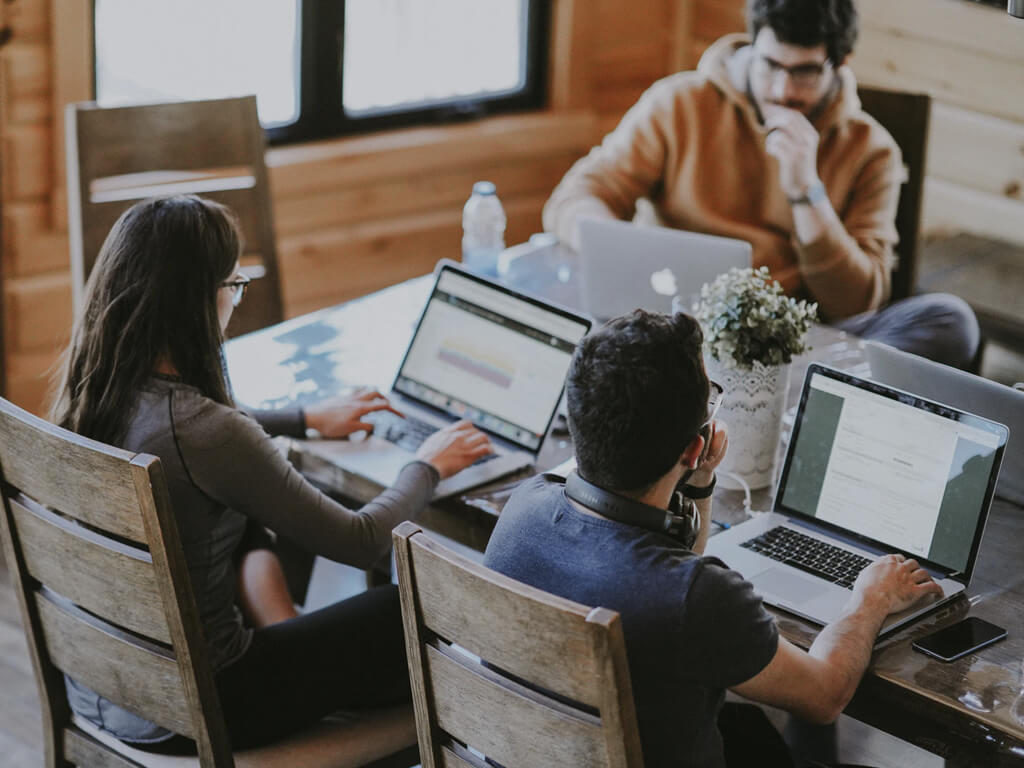
Three signals. One intelligent system.
Each pillar is powerful alone. Together, they give the AI a complete picture of each employee's workday health.
Stress Detection & Intervention
Real-time heart rate monitoring via smartwatch detects elevated stress. Fit@Desk triggers a guided 4-7-8 breathing exercise when your physiology says you need it, not when a clock says so.
Real-time HR monitoring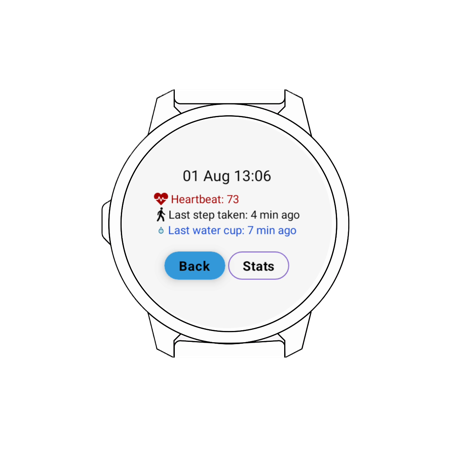
Hydration Tracking
Our hardware water gauge device tracks actual sip-level intake, not self-reported estimates. The AI sets personalised daily goals and delivers context-aware nudges timed around your workflow.
Hardware-grade accuracy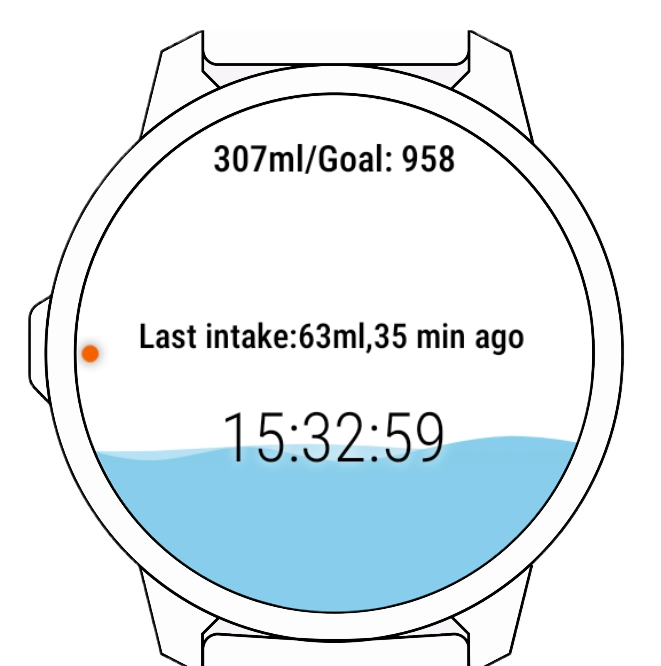
Sedentary Behaviour Solutions
After 60 minutes of continuous sitting, Fit@Desk issues a gentle intervention: a 20-step micro-movement goal plus guided stretching with voice and visual cues.
AI-timed interventions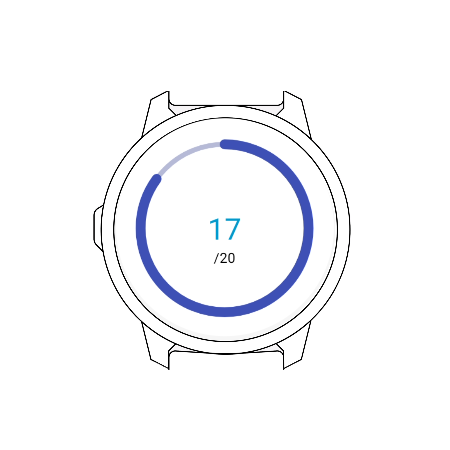
Built by a researcher who measured the problem first.
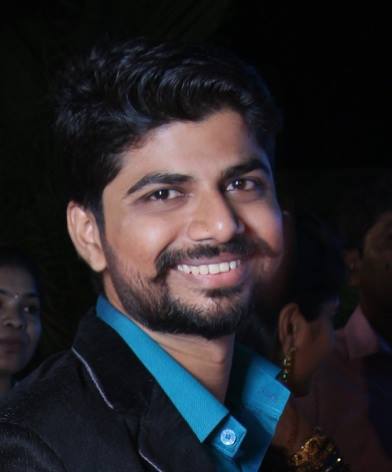
Research Scientist in Human-Computer Interaction at Leibniz University Hannover. Shashank has spent years scientifically studying how desk workers experience dehydration, stress, and sedentary fatigue. Fit@Desk is the product of that research, backed by 5+ peer-reviewed publications at ACM CHI, INTERACT, and CUI.
From the Lab to the Desk
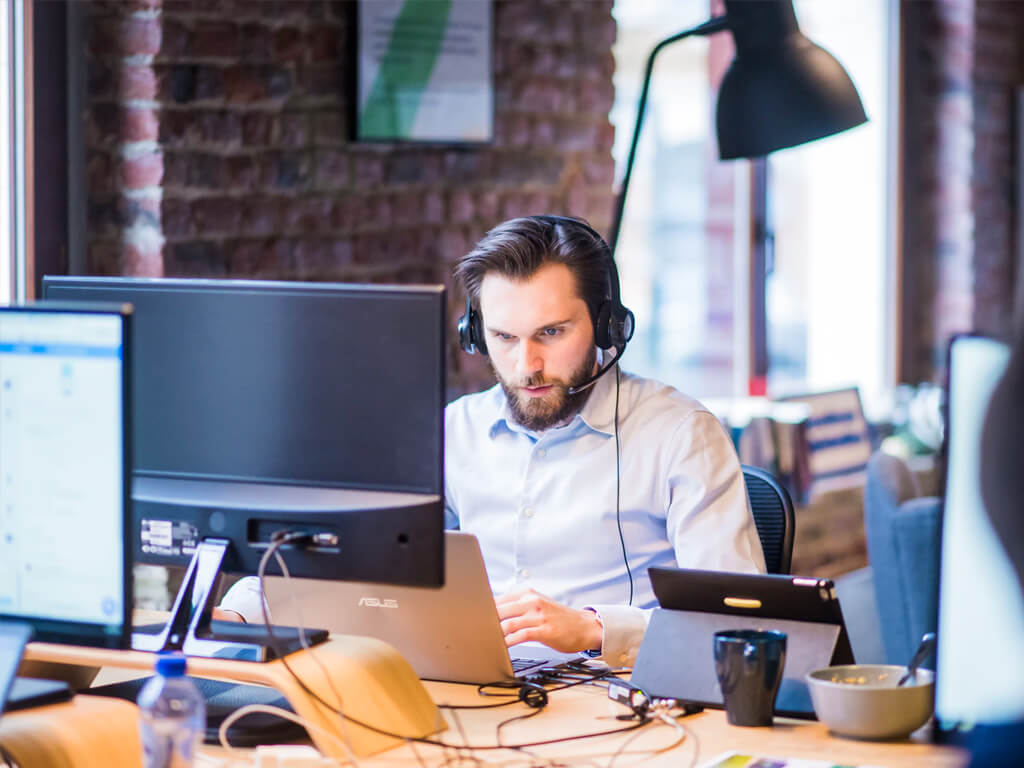
Enhancing Office Worker Health and Well-Being: The Impact of Fit@Desk
Read ArticleJoin the
Hannover Pilot
We are actively seeking pilot partners in the Hannover region — companies with 50–500 employees who want to be part of building the future of workplace health.